The engineering
We measure what matters.
FREQ is a brand world built to prove a point: that technical, dark-mode product UX can feel like luxury. Here is how the whole thing is made — and why none of it needed a camera, a stock photo, or a real server.
Rendered, not shot
Every product image is a parametric 3D model — earcups, drivers, cabinets — projected and rasterised at build time. No camera ever touched these.
Measured voicing
Each instrument carries a five-band signature that synthesises into the response curves you see. The data is the product, not decoration.
Simulated backend
A Service Worker plays the API — catalogue, cart, checkout, orders — with real latency and order numbers. Watch the Network tab; nothing hits a server.
Built for the dark
OLED-true void, glass elevation, neon rim-light and audio-reactive motion — a design system that treats specs as the art direction.
The render pipeline
A camera never touched these.
Each product is a small software 3D model — superellipse earcups, swept headbands, boxed cabinets — flat-shaded against a fixed studio light and rasterised to WebP. The same source produces the drag-to-rotate frames, the exploded part layers, and the poster on every card.
- Parametric geometry per category
- Orthographic projection + painter's depth sort
- Per-colourway 360° sequences & exploded layers
- 593 frames generated at build time, deterministic


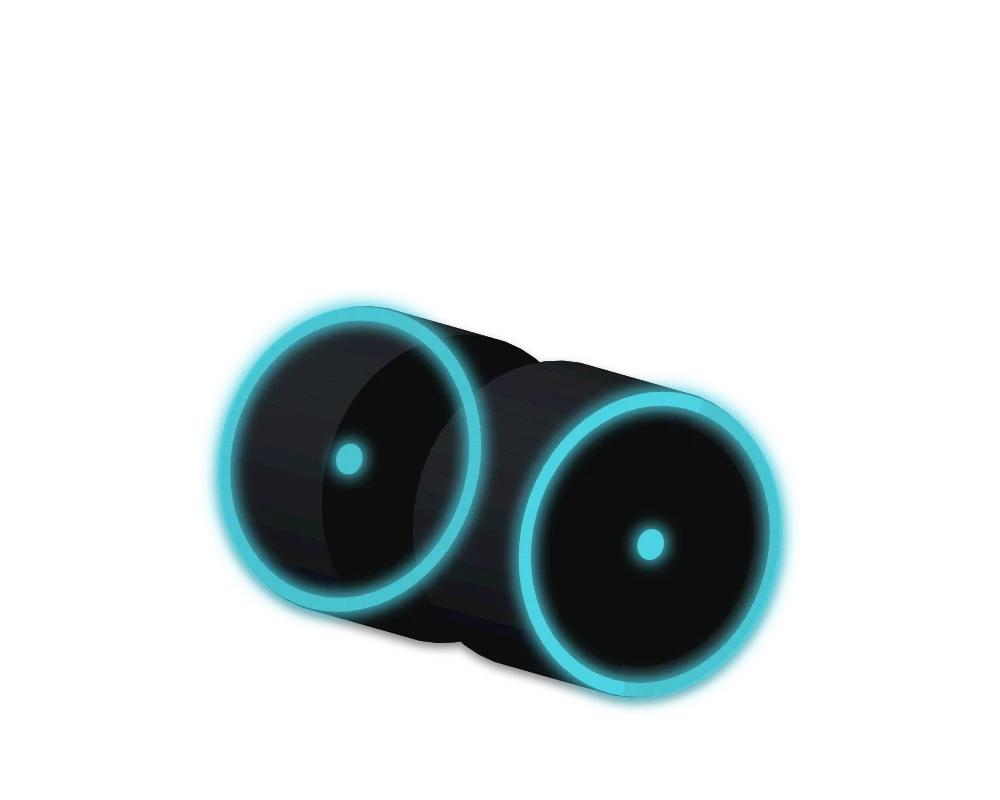
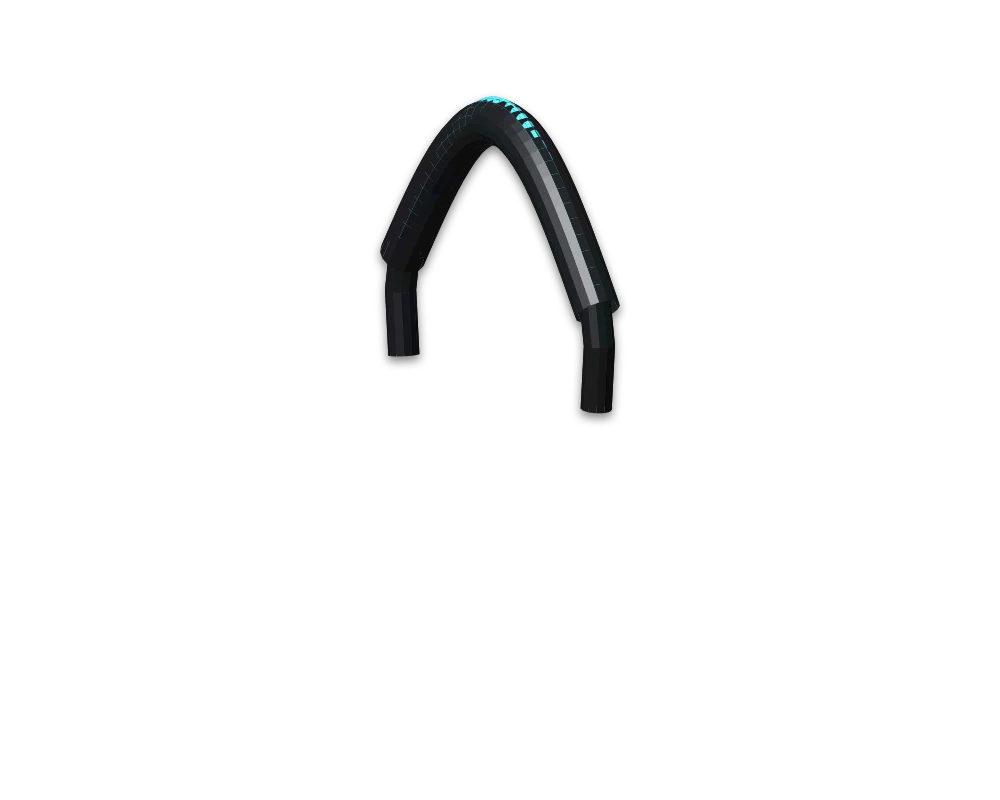 Resonance · 4 part layers
The voicing model
Every curve is real data.
A five-band signature per product synthesises into a smooth response — flat for a reference, lifted for energy, ruler-straight for a DAC.
Resonance
Reference-flatParticle
EnergeticCurrent
Dead-flatThe simulated backend
A store that only looks online.
A Mock Service Worker intercepts every request in your browser — products, cart, checkout, orders — and answers with artificial latency and a generated ORD-XXXXX number. The cart persists to localStorage. There is no server to take down.